
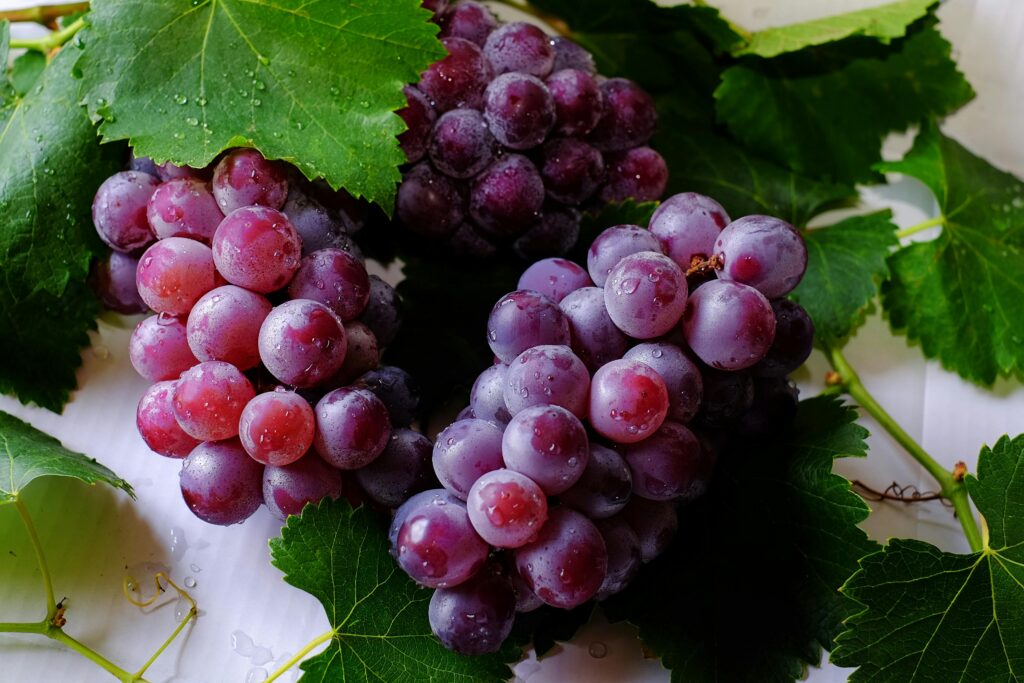

Fruits have been an essential part of the human diet for millennia, loved for their sweetness, nutritional value, and variety. We’ve all been taught that fruit is a delicious gift of nature, a product of flowering plants that contains seeds. But in recent years, we’ve seen a surge in the availability of seedless fruits — grapes, bananas, watermelons, and even oranges. While these seedless varieties might be more convenient and appealing for some, there’s an important botanical reason why fruit without seeds is not truly fruit, at least not in the biological sense.
The Biological Definition of Fruit
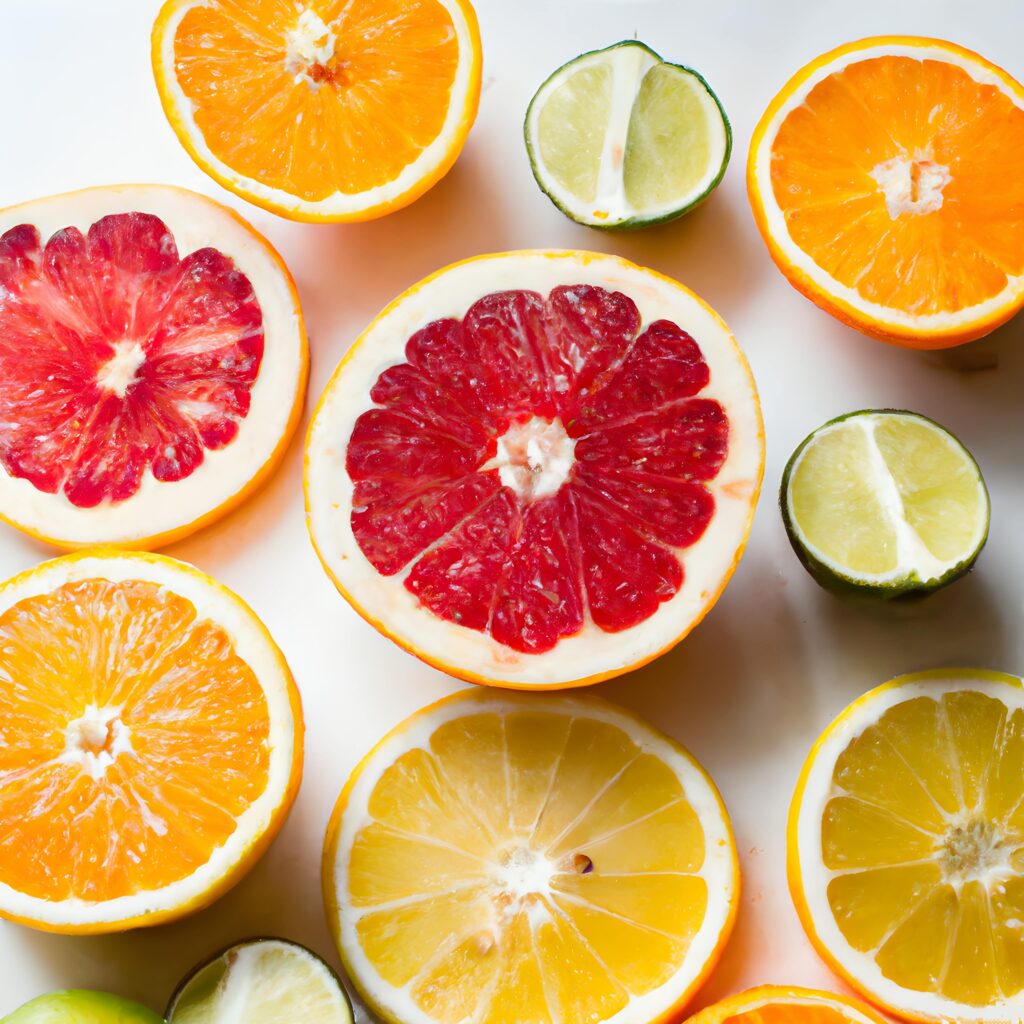
From a botanical perspective, fruit is the mature ovary of a flowering plant, typically containing seeds. When a flower is pollinated, the ovary of the flower undergoes a process of fertilization, leading to the development of seeds inside the fruit. These seeds are the plant’s reproductive method, enabling the species to propagate and grow new plants. Essentially, fruits are a key component of the plant’s reproductive system.
Fruits come in various shapes, sizes, and structures, but they all share one fundamental characteristic: the presence of seeds. Whether it’s a small berry with numerous seeds or a large pumpkin with just a few, the seeds are what classify these structures as fruits in the true botanical sense.
Seedlessness in Fruits: An Artificial Phenomenon
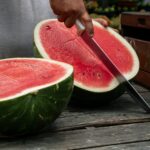
Seedless fruits, as the name implies, lack seeds. This is often the result of human intervention, either through selective breeding or genetic engineering. In many cases, the absence of seeds is achieved by manipulating the plant’s ability to reproduce. For example, seedless watermelon varieties are created by crossing plants with different chromosome counts, resulting in sterile offspring that cannot produce seeds.
While seedless fruits are undeniably convenient and commercially popular, they often deviate from the plant’s natural reproductive process. In essence, seedless fruits are products of artificial cultivation, and in many cases, their existence can be seen as a byproduct of our desire to remove nature’s “messy” parts (seeds) for the sake of convenience.
What Happens When a Fruit Has No Seeds?
A fruit without seeds fails to fulfill its primary biological function: reproduction. Seeds are the vehicle for passing on the plant’s genetic information, ensuring the continuity of the species. Without seeds, the fruit cannot facilitate this process. From an evolutionary perspective, this is a major departure from the purpose of fruit in nature.
Plants that produce seedless fruits cannot naturally propagate through those fruits. Instead, these seedless varieties are often propagated through cloning techniques such as cuttings, grafting, or tissue culture. While these methods can be effective for maintaining specific plant traits, they bypass the natural reproductive process of the plant.
The Genetic and Evolutionary Implications
The development of seedless fruits is a fascinating example of how humans have altered the course of natural evolution. Over centuries, we have selectively bred fruit varieties that meet our tastes and preferences — sweetness, size, and in many cases, the absence of seeds. However, this has led to some interesting evolutionary trade-offs.
For example, seedless fruit plants may be more susceptible to certain diseases or pests. Since these plants are often propagated asexually, they lack genetic diversity, which can make them more vulnerable to environmental stresses. The lack of seeds also means that the plants cannot adapt as quickly to changes in their environment, potentially putting them at a disadvantage in the long term.
Additionally, the over-reliance on seedless varieties in agriculture can diminish biodiversity. The widespread cultivation of seedless fruits reduces the number of different varieties of fruit that are available and limits the genetic pool of fruit-bearing plants.
Is Seedless Fruit Still “Fruit”?
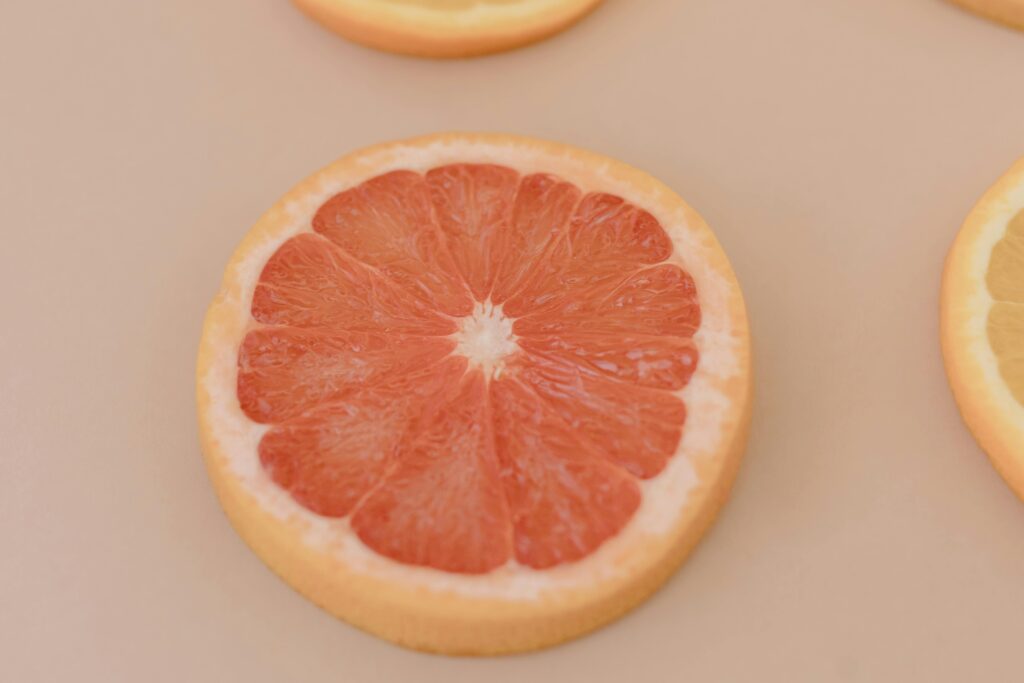
The question of whether seedless fruit is truly fruit depends on how we define “fruit.” In a culinary sense, seedless fruits can still be considered fruits because they meet our expectations of what fruit is — sweet, fleshy, and derived from plants. However, when we apply the botanical definition, seedless fruit challenges the core essence of what fruit is: a mature ovary containing seeds that facilitate reproduction.
While seedless fruit may still offer the same taste and texture as its seeded counterparts, it is, in a way, a biological anomaly. It is a fruit that has been severed from its evolutionary purpose — the passing on of genetic material through seeds. In this sense, seedless fruit could be viewed as less “natural” than its seeded counterparts.
Conclusion: The Role of Seedless Fruit in Modern Agriculture
Seedless fruits are an incredible example of human ingenuity in agriculture, allowing us to shape the plants we cultivate to better suit our needs. However, we must remember that these seedless varieties are not a reflection of the natural reproductive process of plants. They are a product of manipulation — a convenient, though artificial, form of fruit.
While they may still be delicious, nutritious, and enjoyable to eat, seedless fruits lack one critical feature that defines a true fruit: the presence of seeds. So, in a strict biological sense, fruits without seeds can be seen as an interesting, yet imperfect, version of what fruit is supposed to be.
Whether or not we choose to call them “true fruits” is ultimately up to interpretation, but it’s important to understand the biological and ecological implications of cultivating these seedless varieties.