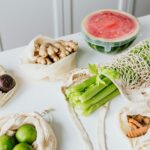



“These big onions that you can buy have no flavor. When I go home to Antigua the onions, peppers are small but they have flavor. You peel an onion and it makes you cry. I’d forgotten that with the onions we have over here. My mother had to remind me to be careful because food grown in the island is organic no GMO’s”
That was my friends response to my comment that onions are a natural antibiotic. I agree with what she is saying. My mother still goes to the market sometimes twice a week. Buying her produce from small local farmers. Full flavor food. Bear this in mind when buying your produce.
In the same way I will eat a clove of garlic, I will eat a couple of slices of onion. Onion contains powerful flavonoids that have antibiotic effects. The cysteine sulphoxides found in onions are the same active ingredient found in garlic.
Garlic
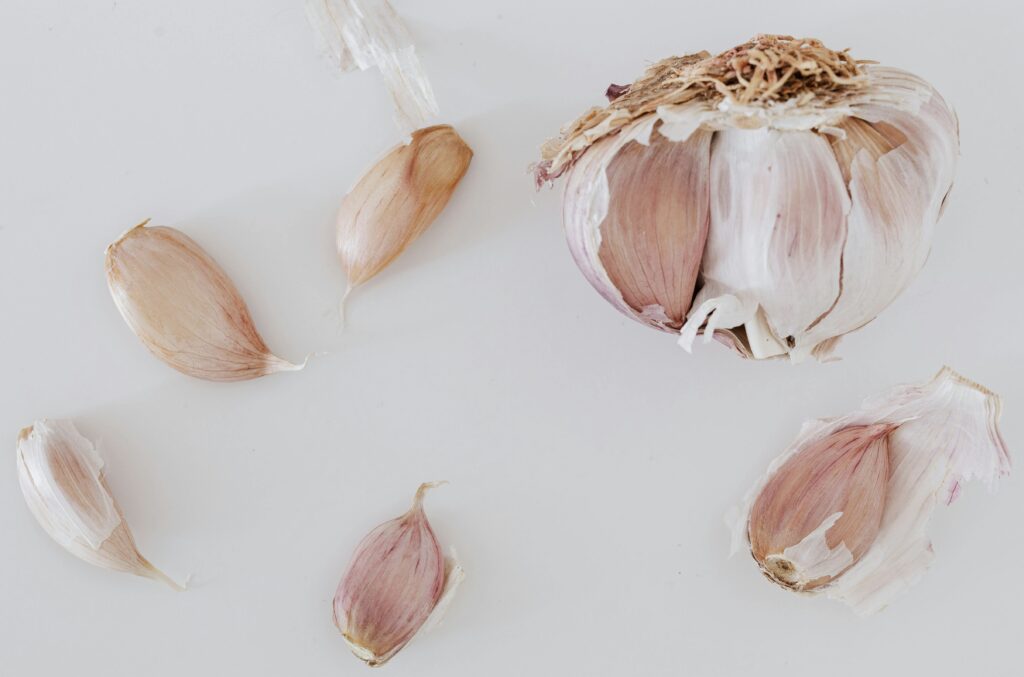
I’ve written about the properties of garlic on numerous occasions and I think it’s common knowledge.
For those first time readers garlic kills many bacteria including those responsible for E Coli and Salmonella.
While I cook with garlic whenever I can. I regularly peel a clove and eat it raw. Now remember, you have to bite it!
I will also make a shot, a clove of garlic, a little ginger throw in the blender. Buzz it a few times, juice a lemon in a bowl and add the zest to the blender buzz again add the juice. Pour it into a shot glass and shoot it like whiskey.
Honey
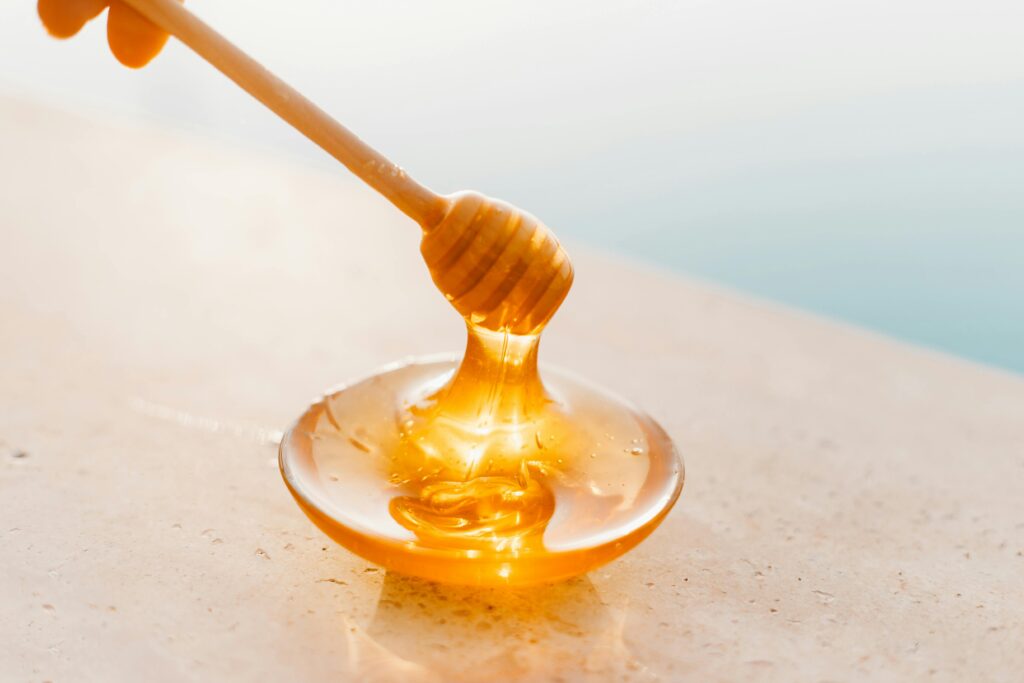
I do sometimes add honey to my bacteria fighting shot. Honey is the original food, it doesn’t go bad. It’s as good for the outside of your body as it is for your inside. Honey can be used to treat wounds and draw out infections.
A study in 2011 found that honey inhibits approximately sixty different types of bacteria. A lot of honeys antibacterial properties are due to the fact it contains hydrogen peroxide. Although certain types of honey with lower levels of hydrogen peroxide have proved they are also able to fight infections.
Tumeric
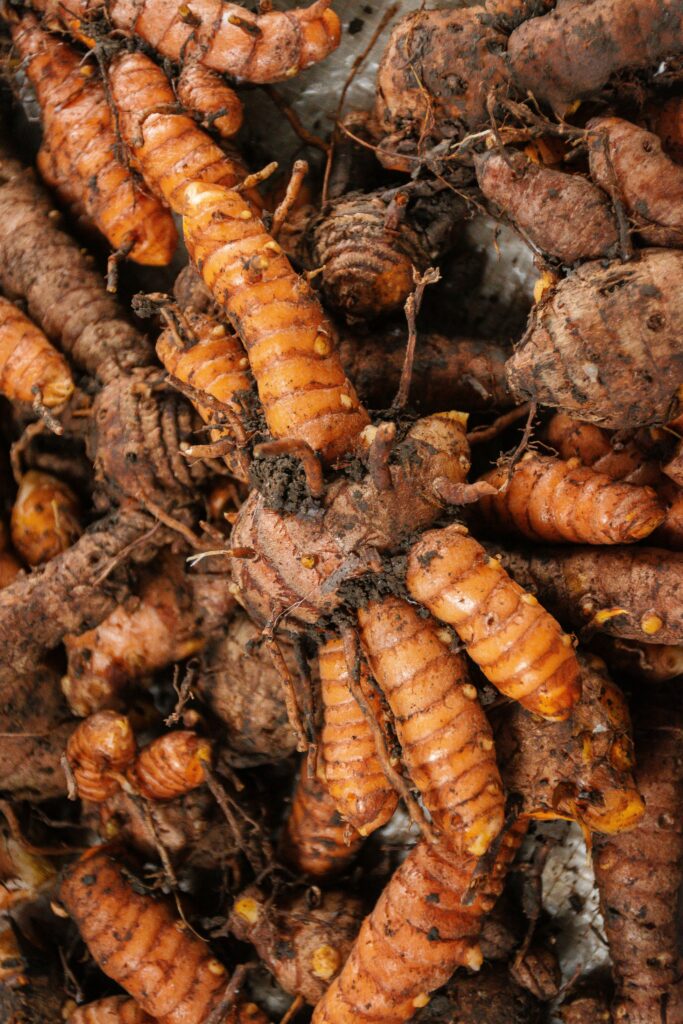
The active compound in turmeric, curcumin, has been extensively researched for its antimicrobial and anti-inflammatory properties. Turmeric has shown promise in combating various bacterial and fungal infections, including Candida and Staphylococcus aureus.
Curcumin also helps to modulate the immune system, which may help in fighting off infections more effectively. It has been studied for its potential to prevent chronic diseases, promote joint health, and support digestive function.
Echinacea
As you sneeze in our house my mum can be heard shouting, “Go take some Echinacea “
It has been used for hundreds of years to heal wounds and fight infections. Not only does echinacea fight inflammation causing bacteria. It also kills a bacteria called Streptococcus pyogenes which is responsible for Strep throat and the ‘flesh eating disease Necrotizing fasciitis.
Coconut Oil
Coconut oil contains medium-chain fatty acids, particularly lauric acid, which has been shown to have strong antibacterial and antiviral properties. It is especially effective in combating Staphylococcus aureus and Candida species.
Coconut oil is also used as a topical remedy for skin infections, and it can be taken internally for gastrointestinal infections. It is an excellent alternative for those seeking a natural, gentle antimicrobial option.
Ginger
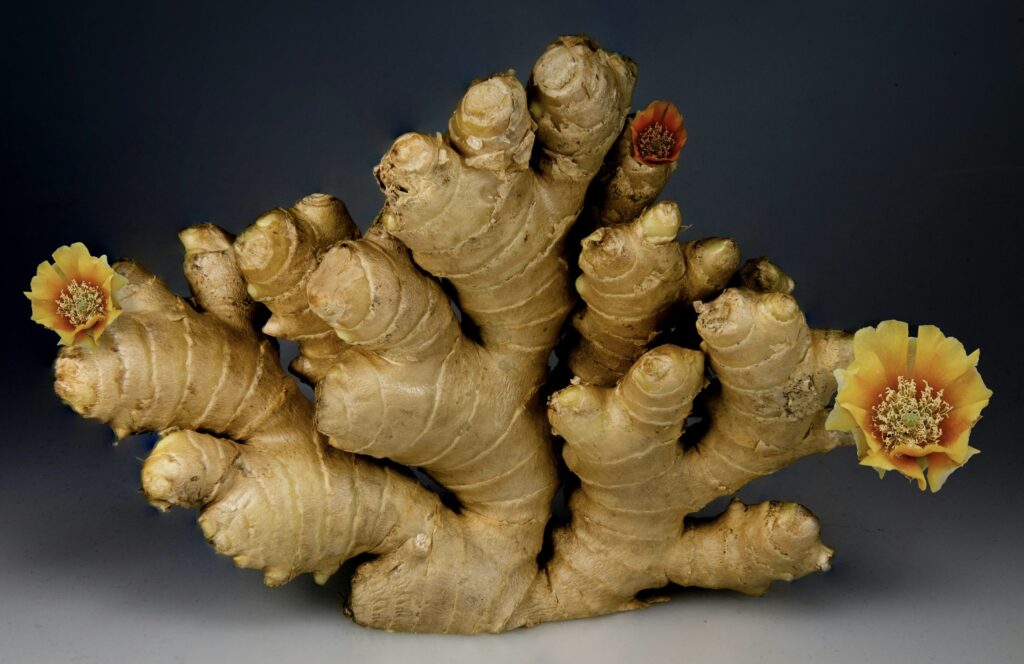
Like garlic I think we’ve talked enough about the healing properties of ginger. But a list of natural antibiotics wouldn’t be complete without it. If you have a toothache resting ginger on the gum where the pain is will usually stop the pain. The ginger draws out the infection.
There are others we could add but these are the most common. Oregano because of its high antioxidant properties and ability to boost immune systems deserves a mention. Goldenseal is another but be warned it’s not safe for everyone. It should not be given to babies, infants or pregnant women.
Precautions and Considerations
While natural antibiotics offer a range of benefits, they should be used with caution, particularly when treating serious infections. Some natural antibiotics can interact with medications, have side effects, or cause allergic reactions. It’s essential to consult with a healthcare professional before using natural antibiotics, especially if you are pregnant, nursing, or on prescription medications.
Natural antibiotics can be an effective adjunct to conventional treatments, but they may not always replace the need for medical care, particularly in cases of severe or life-threatening infections. For bacterial infections that are resistant to antibiotics or for conditions requiring immediate treatment, it’s essential to seek proper medical attention.
Conclusion: A Balanced Approach
Natural antibiotics represent a promising and ancient way of preventing and treating infections. They are not a cure-all, but many people find them to be effective tools in managing minor infections and boosting overall health. From garlic and honey to oregano oil and turmeric, nature’s bounty offers a wide range of options for those seeking natural alternatives.
As we continue to navigate the growing problem of antibiotic resistance, it’s important to remember that natural remedies can complement modern medicine, not necessarily replace it. By incorporating a variety of natural and conventional approaches, we can give our bodies the best possible chance of staying healthy and resilient in the face of infection.