

In recent years, organic foods have shifted from a niche trend to a mainstream lifestyle choice. More people are filling their carts with organic fruits, vegetables, grains, dairy, and meats—not merely for the label, but for the meaningful health benefits behind it. While organic foods may sometimes cost more, the advantages they offer to our health, the environment, and the future of farming make them a worthwhile investment.It’s time to make your town a blue zone! Here’s why choosing organic matters.

1. Fewer Pesticides and Harmful Chemicals
One of the strongest arguments for eating organic is the reduced exposure to synthetic pesticides and chemicals. Organic farmers follow strict regulations that prohibit the use of most synthetic pesticides, herbicides, and fertilizers.
Although conventional produce is generally considered safe, long-term, cumulative exposure to certain chemicals has been linked to various health concerns. Organic food provides peace of mind by minimizing this risk—especially important for children, pregnant women, and those with sensitive immune systems.
2. More Nutrient-Dense Foods
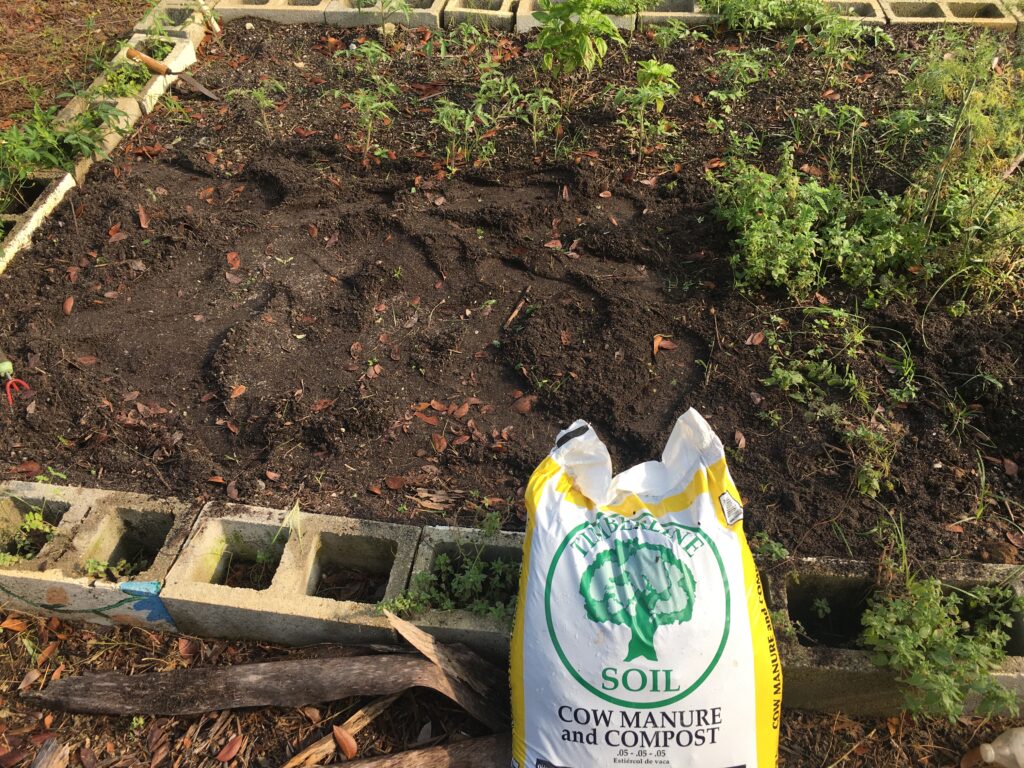
Some studies suggest that organic fruits and vegetables may contain higher levels of certain nutrients, including antioxidants, iron, and magnesium. Healthy soil tends to produce healthier plants, and organic farming relies heavily on natural soil enrichment techniques.
Furthermore, organic produce is often fresher because it’s grown without synthetic preservatives. Freshness typically translates to richer flavor and higher nutritional value.
3. Better for the Environment
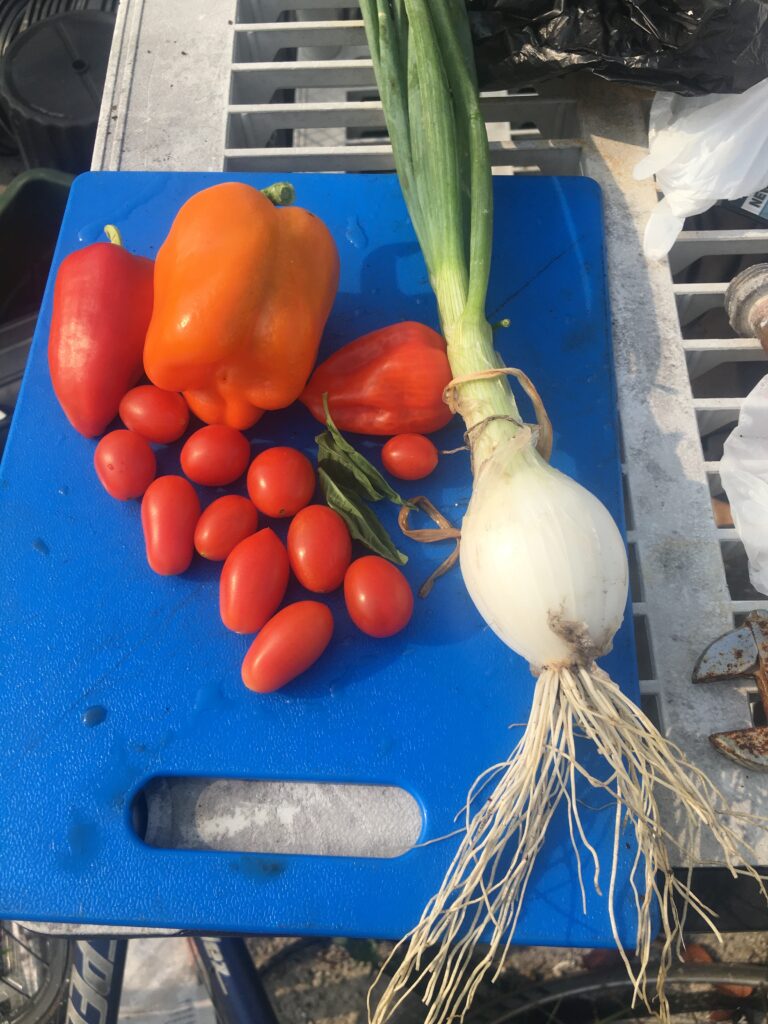
Organic farming is designed to work with nature, not against it. By avoiding synthetic chemicals and monoculture practices, organic farming helps:
- Protect soil health and biodiversity
- Reduce water contamination
- Support pollinators such as bees
- Lower greenhouse gas emissions
Organic farms often use crop rotation, composting, and natural pest control methods that promote ecological balance. Choosing organic means supporting farming practices that safeguard the planet for future generations.
4. Higher Animal Welfare Standards
For meat, eggs, and dairy, the organic label signifies that animals were raised under more humane conditions. Organic standards require:
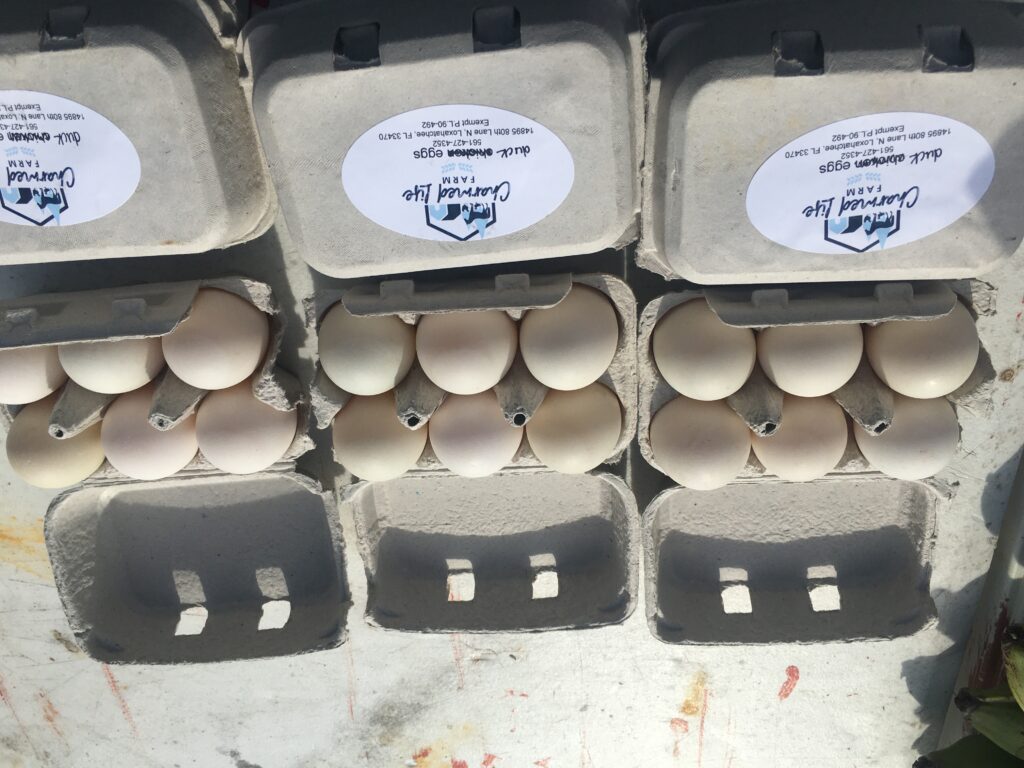
- No routine antibiotics or growth hormones
- Access to outdoor space
- Organic feed free from GMOs and synthetic additives
Better living conditions typically lead to healthier animals—and, as a result, healthier food.
5. Avoiding GMOs
Organic certification prohibits genetically modified organisms (GMOs). While research is ongoing, some consumers prefer to avoid GMOs due to uncertainties about long-term environmental and health impacts. Organic foods provide a clear and trustworthy way to steer clear of them.
6. Supporting Local and Sustainable Agriculture
Many organic farms are small or family-run operations. Choosing organic often means supporting local farmers who prioritize sustainable practices over mass production. This helps strengthen local food systems and encourages farming methods that prioritize quality, not quantity.

Conclusion: A Choice That Nourishes More Than Just You
Choosing organic food is about more than what goes on your plate—it’s a conscious decision that impacts your health, the environment, and the future of agriculture. While organic food may require spending a little more, it offers benefits that extend far beyond the grocery aisle.
By eating organic, we support a food system that values sustainability, environmental stewardship, and the well-being of people and animals. In a world where quality food is becoming increasingly important, organic choices offer a nutritious, responsible, and forward-thinking path.