




No more watermelon jokes!
Black people eat watermelon, everyone eat watermelon it can save your life and there’s a fun side effect. Forget the watermelon jokes, it’s going to save your life and certainly extend it. You didn’t believe grandma so you sure won’t believe me. Let me state my case.
Black people are known to have high blood pressure. Watermelon lowers your blood pressure. Citrulline, which increases the nitric oxide in your system and stimulates blood vessel dilation. Yes this non essential amino acid does that. Citrulline is found in watermelon. Watermelon also has Vitamin A, Vitamin B6, Vitamin C, Magnesium, Potassium which are necessary for a heart healthy diet.
Remember I said there was a fun side effect? Ladies feed your man watermelon. Improved blood flow think about that for a minute. Watermelon is included in my natural Viagra article I’m working on. There have been studies that confirm grandma was right, it works. Don’t stop taking prescribed medication. You can get Citrulline supplements but why. Go get some organic seeded Watermelon here’s why.
Watermelon, a quintessential summer fruit, is known for its refreshing sweetness and hydrating properties. While the watermelon we typically encounter at grocery stores may come in seedless varieties, organic seeded watermelon offers a range of additional health benefits that make it worth seeking out. Packed with nutrients, antioxidants, and beneficial compounds, this naturally grown fruit is more than just a tasty treat—it can be a powerhouse for your health. Here’s why eating organic seeded watermelon is a smart choice for your body and the planet.
1. Rich in Nutrients
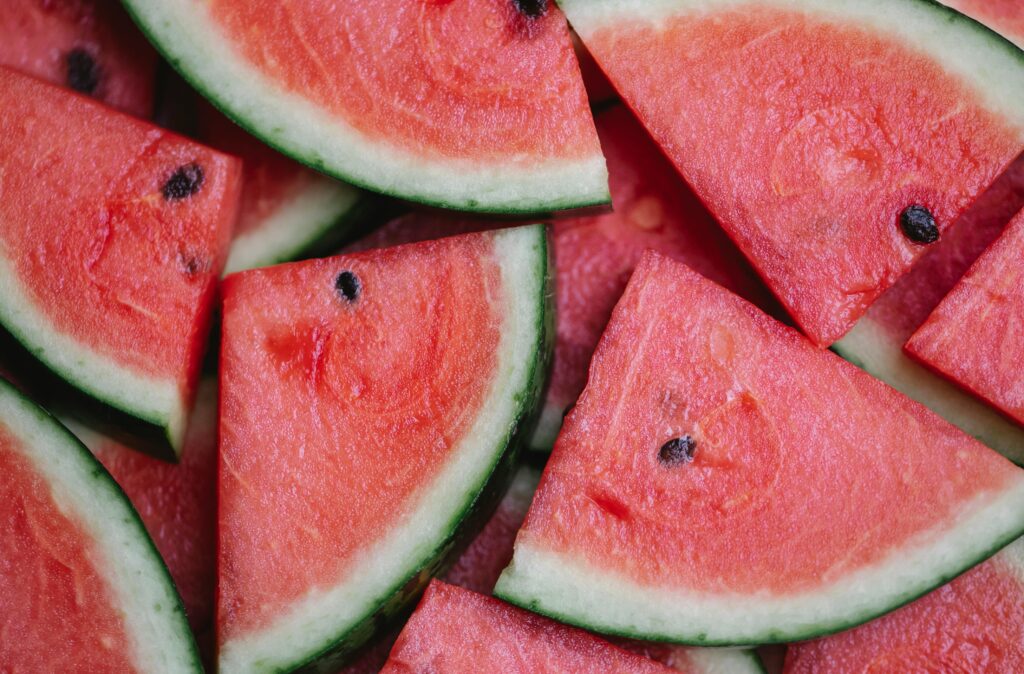
Organic seeded watermelon is not only delicious but also highly nutritious. Like other watermelon varieties, it contains a good amount of vitamins and minerals, including:
- Vitamin C: This powerful antioxidant supports the immune system, promotes skin health, and aids in the healing of wounds. Watermelon is a great source of vitamin C, which also plays a role in collagen production and skin elasticity.
- Vitamin A: Watermelon contains beta-carotene, a form of vitamin A that helps maintain healthy skin, eyes, and immune function. Beta-carotene also acts as an antioxidant, helping to protect your cells from damage.
- Potassium: Potassium is essential for heart health, helping regulate blood pressure and supporting proper muscle and nerve function. Organic seeded watermelon provides a natural source of this important mineral.
- Magnesium: This mineral plays a role in muscle relaxation, bone health, and the regulation of blood sugar levels. Eating watermelon can contribute to your daily magnesium intake.
2. Hydration Powerhouse
Watermelon is made up of about 90% water, making it an excellent food choice for hydration. Staying hydrated is crucial for maintaining bodily functions, especially in the heat of summer. The water content in watermelon helps replenish fluids, keeps your skin glowing, and supports kidney function. Organic watermelon, grown without synthetic pesticides and chemicals, provides pure hydration free of harmful residues.
3. Higher Levels of Antioxidants

One of the key reasons to opt for organic seeded watermelon over conventional or seedless varieties is the potential for higher antioxidant levels. Organic farming practices avoid the use of synthetic chemicals, which can sometimes degrade the natural antioxidant content in food. Organic watermelon tends to have more powerful antioxidants, such as:
- Lycopene: This carotenoid pigment, responsible for watermelon’s pink-red color, has been shown to have strong antioxidant properties. Lycopene helps protect cells from oxidative stress and may lower the risk of certain cancers, particularly prostate cancer. Organic watermelon often contains higher levels of lycopene compared to conventionally grown varieties.
- Citrulline: Watermelon is a good source of citrulline, an amino acid that has been shown to improve blood flow and circulation. While citrulline is present in all types of watermelon, organic varieties may have higher concentrations due to the natural growing process.
4. Supports Heart Health
The combination of lycopene, citrulline, and potassium makes organic seeded watermelon an excellent food choice for heart health. Lycopene has been shown to reduce LDL cholesterol (the “bad” cholesterol) and lower blood pressure, while citrulline helps relax blood vessels, improving circulation. Additionally, the potassium in watermelon supports healthy blood pressure levels by counteracting the effects of sodium.
5. Promotes Digestion and Gut Health
Watermelon is rich in water and fiber, which makes it an excellent choice for digestive health. Fiber aids in the smooth movement of food through the digestive tract, preventing constipation and promoting regular bowel movements. The hydration from watermelon also helps maintain optimal gut function by keeping the intestines well-lubricated. The organic nature of the fruit ensures that it is free from harmful pesticides and chemicals, which could disrupt gut health or lead to inflammation.
6. Boosts Skin Health
The high water content, combined with the antioxidants like lycopene and beta-carotene, makes organic watermelon a natural skin booster. These compounds help protect the skin from sun damage and premature aging by neutralizing free radicals. Vitamin C plays a role in collagen production, which is essential for maintaining skin elasticity and preventing wrinkles. Eating organic watermelon may help keep your skin hydrated, youthful, and radiant from the inside out.
7. Eco-Friendly and Sustainable
Choosing organic watermelon over conventionally grown varieties not only benefits your health but also helps the environment. Organic farming practices focus on sustainability, reducing the use of synthetic fertilizers, pesticides, and herbicides. These practices promote soil health, reduce pollution, and support biodiversity. By purchasing organic seeded watermelon, you are making a conscious choice to support sustainable agriculture and reduce your environmental impact.
8. More Flavorful and Natural
While it’s true that many people opt for seedless watermelons for their convenience, there’s something undeniably special about organic seeded watermelon. The seeds are completely edible, and many people find that the flavor of seeded watermelon is more intense and natural. The seeds also add an extra texture, which enhances the eating experience. Moreover, eating seeds is beneficial, as they provide additional fiber, protein, and healthy fats.
9. Better for Pollinators and Biodiversity
Organic farming practices encourage biodiversity by not relying on synthetic chemicals that can harm pollinators like bees and butterflies. Organic farms typically support a healthier ecosystem, providing a habitat for wildlife and supporting natural pest control methods. By choosing organic watermelon, you’re helping to protect these vital pollinators, ensuring that fruits and vegetables continue to thrive in a more sustainable way.
Conclusion: The Sweet Benefits of Organic Seeded Watermelon
Organic seeded watermelon is more than just a refreshing, hydrating fruit. With its nutrient-packed profile, powerful antioxidants, heart-healthy benefits, and positive environmental impact, it’s a smart choice for anyone looking to improve their diet and support sustainable agriculture. Whether you’re snacking on a slice, tossing it into a salad, or blending it into a smoothie, organic seeded watermelon offers a sweet and wholesome way to nourish your body. So next time you’re at the store, consider reaching for the organic, seeded variety for a delicious and healthful treat.